
Aviation & asset finance | JVS Law
The worst case for a foreign aircraft owner in Ukraine is not a lessee default. It is a seizure in a criminal case you have nothing to do with. That is what happened to the Irish company East/West Alliance Limited, and it is what Ukraine paid for in Strasbourg.
We did not act for any party in this case. But it is the leading authority for anyone holding an aviation asset in the Ukrainian jurisdiction, and it is worth knowing before it becomes relevant.
What happened
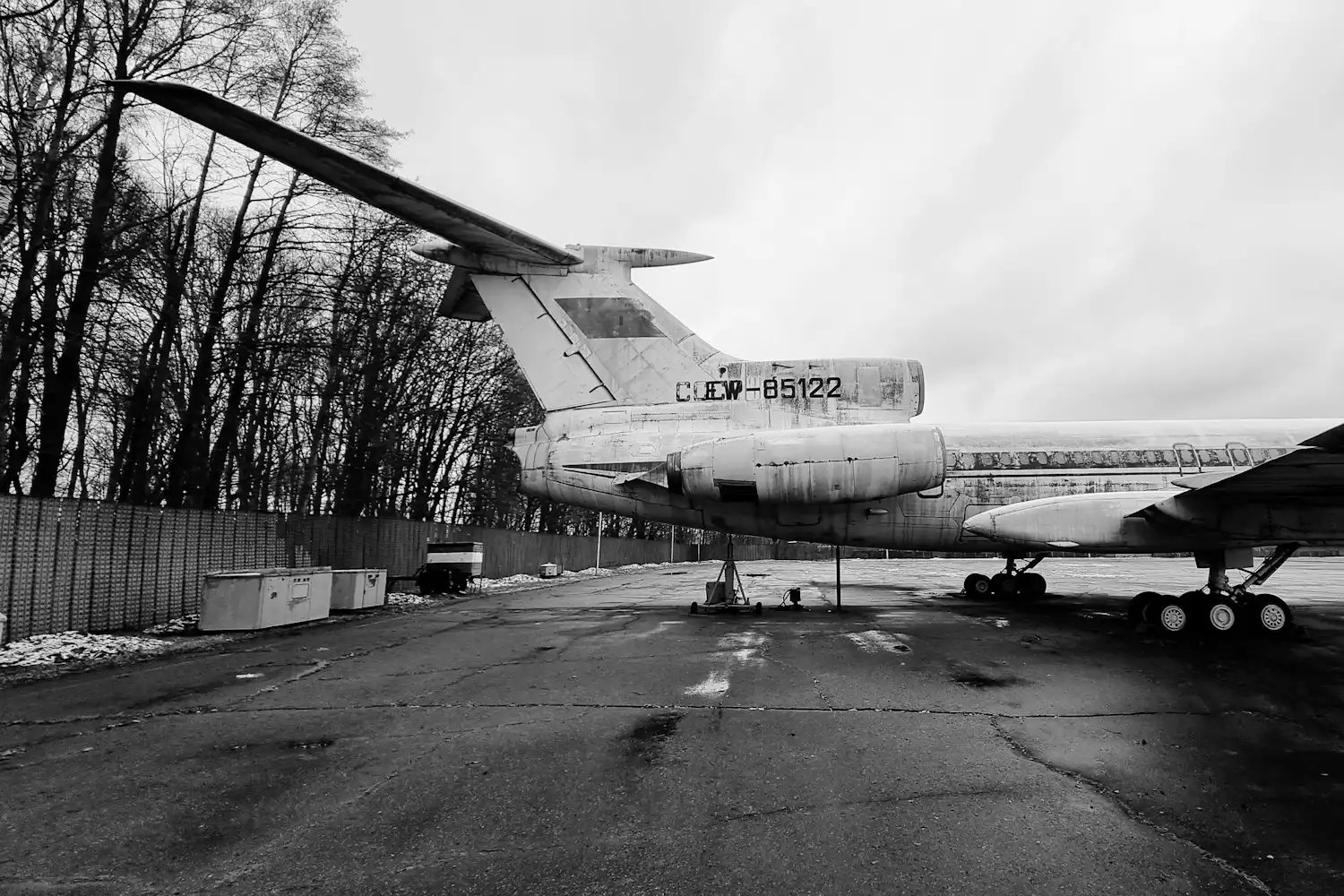
East/West Alliance Limited was a Dublin-based company with a representative office in Ukraine. In 2001 Ukrainian authorities seized 14 aircraft owned by the company. The seizure was imposed in a criminal investigation against a different company — one belonging to the same consortium.
Then the decisive part: several of the aircraft were sold to third parties while the litigation over title to them was still pending, and while the aircraft were impounded as an interim measure. The asset disappeared not through a decision on the merits but in the course of the process.
What the Court held
East/West Alliance Limited v. Ukraine (application no. 19336/04) was decided on 23 January 2014. The Court found a violation of Article 1 of Protocol No. 1 — the right to peaceful enjoyment of possessions.
It awarded EUR 5,000,000 in respect of pecuniary and non-pecuniary damage and EUR 8,000 for costs and expenses. A Chamber judgment becomes final three months after delivery unless referral to the Grand Chamber is requested.
The Court’s reasoning in this category is settled: any interference by a public authority with peaceful enjoyment of possessions must be lawful and must strike a fair balance between the general interest and the protection of individual rights. A prolonged seizure in someone else’s proceedings, during which the asset is sold off, does not strike that balance.
Is your aircraft caught in a Ukrainian criminal case you are not a party to? Send us the seizure ruling — we will map the release route East/West Alliance had to litigate all the way to Strasbourg.
What it means for an aircraft owner
Four things this case shows directly:
- Corporate separateness does not protect automatically. The asset was seized in a case against a different legal entity in the same consortium. An ownership structure has to survive an investigator, not only a tax audit.
- An interim seizure is not a pause. The aircraft did not simply sit there: some were sold while the title dispute ran. A measure meant to preserve the asset can, in practice, mean losing it.
- An aircraft does not survive standing still. It needs daily maintenance; a long stoppage makes returning it to service disproportionately expensive. Time here is not a procedural detail — it is the value of the asset.
- Strasbourg works, but as the last instance. Thirteen years passed between the 2001 seizure and the 2014 judgment. It is not an alternative to proper protection in Ukraine; it is what remains when that protection has failed.
The practical work sits earlier: in the ownership structure, in the registration of interests, and in how quickly the aircraft can be taken out of the jurisdiction. Ukraine’s Cape Town declarations are on the creditor’s side here — we set them out in aircraft finance in Ukraine under the Cape Town Convention. But those declarations work against a lessee who does not pay, not against an investigator in another company’s case.
We were unable to confirm from public sources whether Ukraine paid the award. As at August 2026 the materials available to us contain no information on enforcement of the judgment.
Your aircraft in Ukraine — seized, or at risk of seizure?
We look at the basis of the seizure, whose proceedings it belongs to, what can be lifted in a Ukrainian court, and what to do about registration and export. We tell you plainly how long it takes and where it will stall. Describe the situation and we will respond within one business day.
Anna Tsirat: profile and contact form →
Practice: Aircraft Leasing, Acquisition & Repossession in Ukraine
Originally published on 24 January 2014. Rewritten in August 2026; the judgment is cited from the HUDOC database.